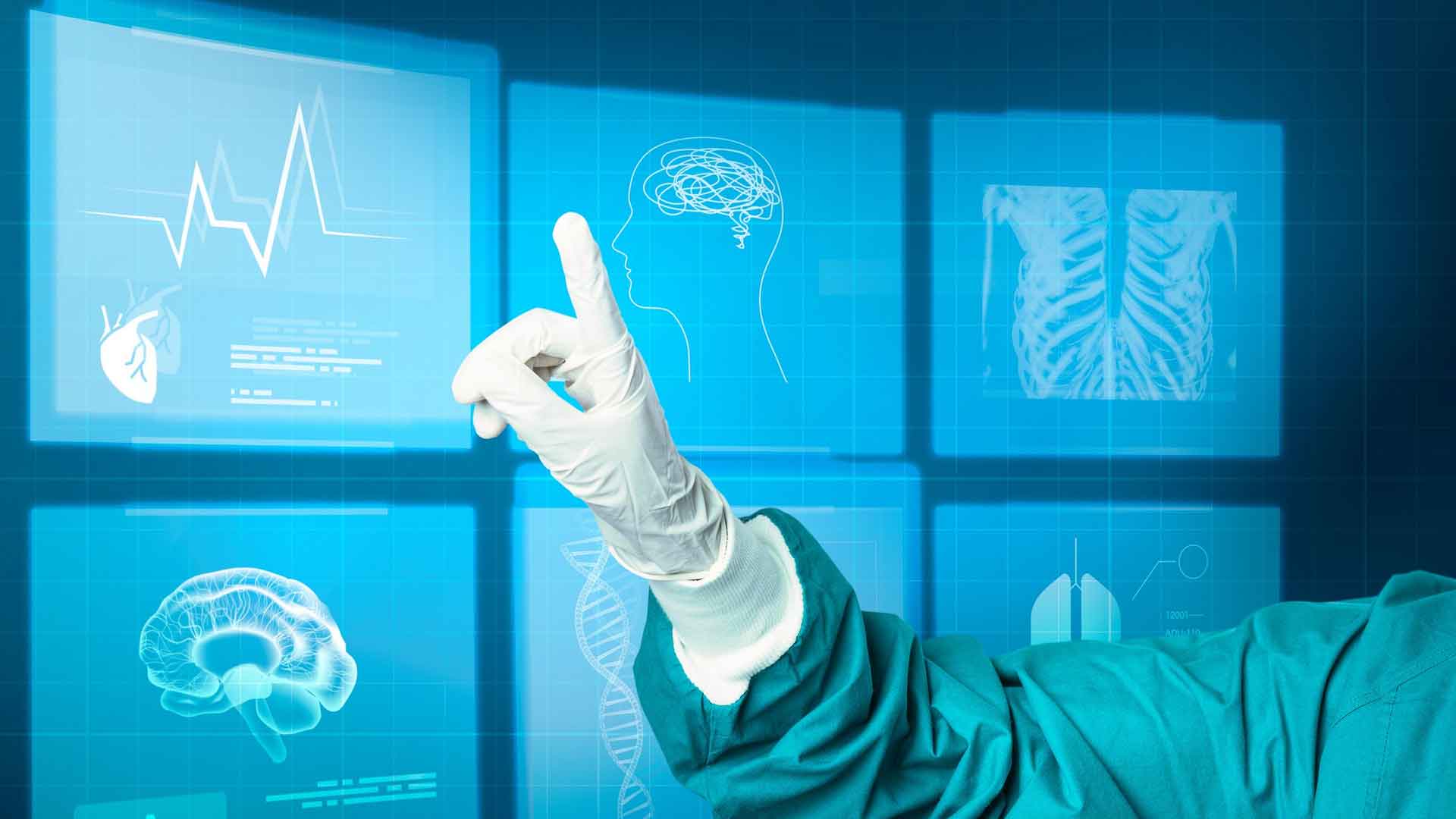
Artificial Intelligence (AI) is transforming the healthcare industry in 2026, and medical coding is no exception. Many students and professionals are asking one common question: Will AI replace medical coders, or will it create more job opportunities?
Let’s understand the reality.
How AI is Used in Medical Coding
AI-powered software can automatically read patient records and suggest medical codes using machine learning and natural language processing (NLP). These tools help:
- Speed up coding processes
- Reduce manual errors
- Improve billing accuracy
- Increase hospital productivity
However, AI works based on data patterns — it cannot fully understand complex medical documentation like a trained human coder.
Will AI Replace Medical Coders?
The simple answer is No — AI will not completely replace medical coders.
Medical coding requires:
- Clinical knowledge
- Understanding of coding guidelines
- Compliance awareness
- Critical thinking skills
AI can assist coders, but human expertise is essential for reviewing, correcting, and ensuring accuracy. Especially in complex cases, audits, and insurance claims, skilled coders are irreplaceable.
Will AI Create More Jobs in Medical Coding?
Yes. AI is actually creating new career opportunities, such as:
- Medical Coding Auditor
- AI Coding Analyst
- Clinical Documentation Specialist
- Healthcare Data Analyst
- Medical Coding Quality Reviewer
As healthcare becomes more digital, professionals who understand both coding and technology will be in high demand.
The Future of Medical Coding in India
India continues to be a global hub for healthcare outsourcing. With AI integration, companies now need trained and certified coders who can work alongside AI tools rather than compete with them.
Instead of job loss, the future points toward skill upgrade and career growth.
Final Thoughts
AI is not a threat — it is a tool. Medical coders who adapt to technology, gain certifications, and upgrade their skills will have stronger career opportunities in 2026 and beyond.
At Global Coding, we train students not just in medical coding, but also prepare them for the future of healthcare technology.